-->

***CURRENTLY PLANTS ARE FOR STORE PICKUP ONLY***

PLEASE CALL FOR AVAILABILITY BEFORE PLACING YOUR ORDER;

NOT ALL PLANTS SHOWN ON WEBSITE MAY BE IN STOCK - CALL FIRST

754-223-3104

Thank you for choosing Nature Aquariums for your aquascaping needs. We are here to help you grow your underwater garden with the finest selections available.

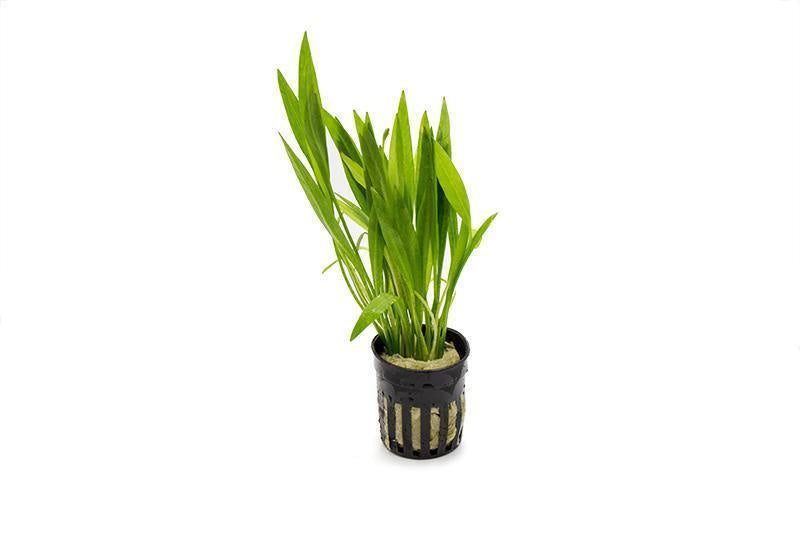
Echinodorus Xinguensis

$6.95 USD

Pickup available at Nature Aquariums Retail Store

Usually ready in 24 hours

View store information

Echinodorus Xinguensis, the Xingu Sword, is a rarely seen dwarf Amazon Sword species named for Brazil's Xingu River. It stays compact for an Echinodorus, forming a rosette of bright green, oblong leaves that add subtle color and texture to the foreground of an aquascape.

Skill Level Easy
CO2 Not Required (recommended for faster growth)
Requires Aqua Soil Not required, but recommended
Type Rooted
Max Height 3-6"
Placement Foreground to midground
Light Level Moderate (approx. 30-60 PAR)
Origin South America (Brazil)
Other Iron deficiency can cause yellow, droopy leaves — a supplement may help if this occurs. Note: correcting two errors found on this listing — the prior description referred to it as a "stem plant," but Echinodorus are rosette plants, not stem plants; and Origin was listed as "Central America" rather than South America, where the Xingu River is located.

Care & Planting: Remove from the pot and root wool before planting into a nutrient-rich substrate. Propagates via runners, which can be trimmed and replanted; prune regularly to control spread.

A note on "melting": Like most Amazon Swords and Cryptocoryne species, this plant is farm-grown emersed (above water). When you first submerge it, don't be alarmed if the original leaves die back over the first few weeks — this is called melting, and it's a normal part of the transition, not a sign the plant is failing. Emersed leaves are built for air and only have stomata on their underside; once submerged, the plant sheds them in favor of new underwater leaves with stomata on both sides, better suited to absorbing CO2 from the water. New submersed growth typically appears within a few weeks.