Freshwater Aquariums: How to Choose, Set Up, and Stock One
From a single betta on a desk to a 300-gallon display of big cichlids, freshwater is the most flexible aquarium you can own. This guide covers non-planted freshwater tanks — rock, driftwood, sand or gravel, and the fish. Want live plants? Read the Planted Aquarium guide instead.
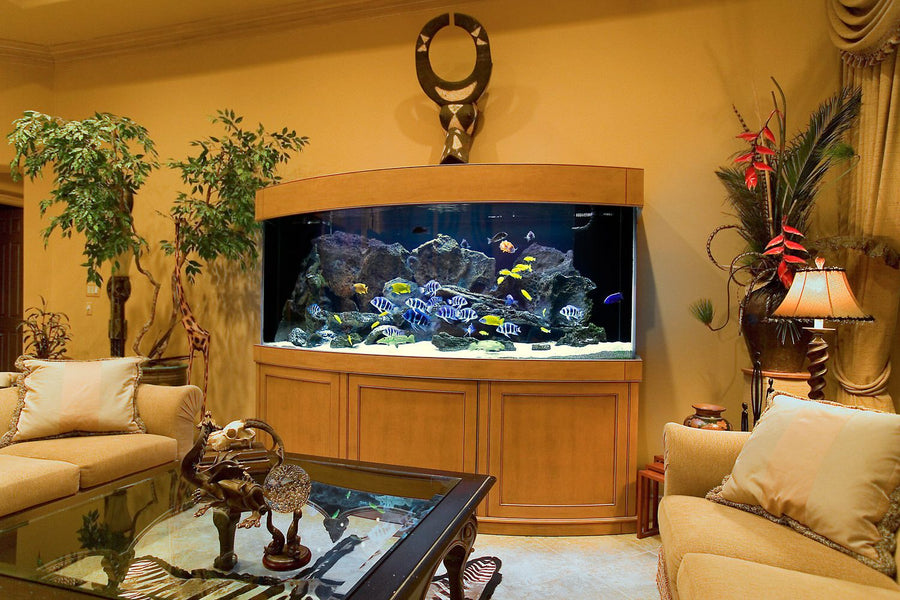
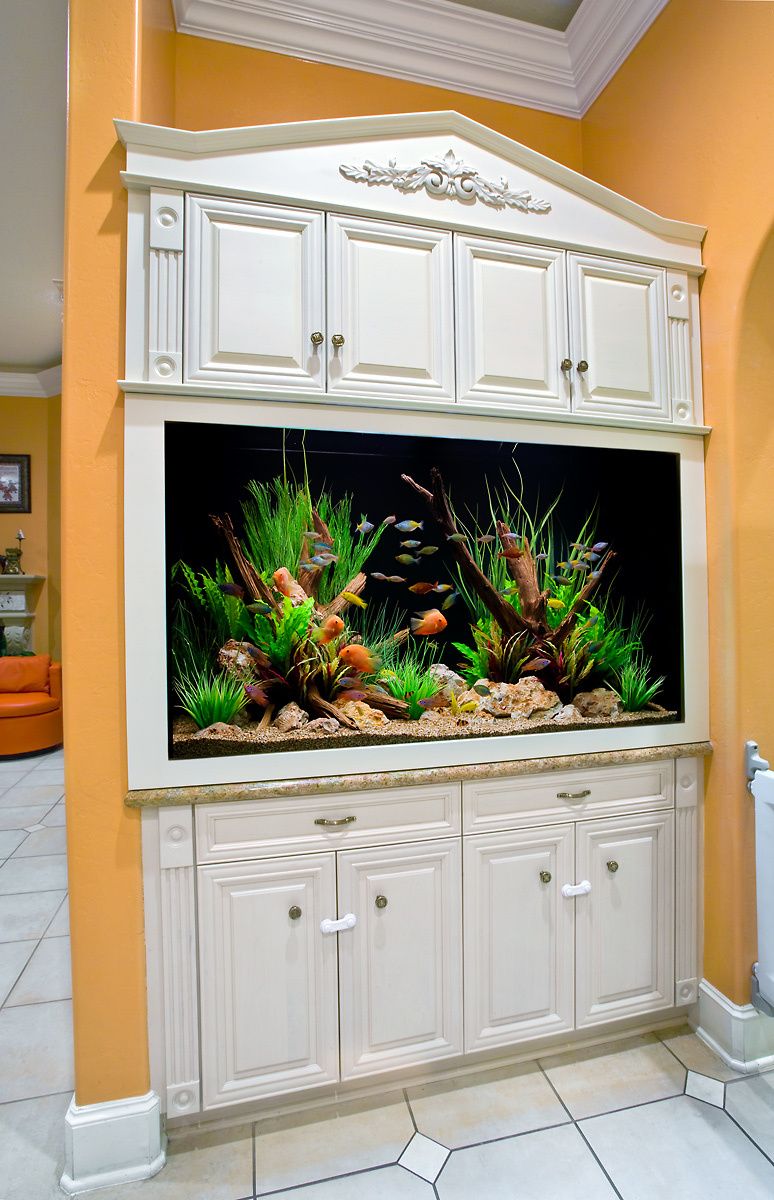
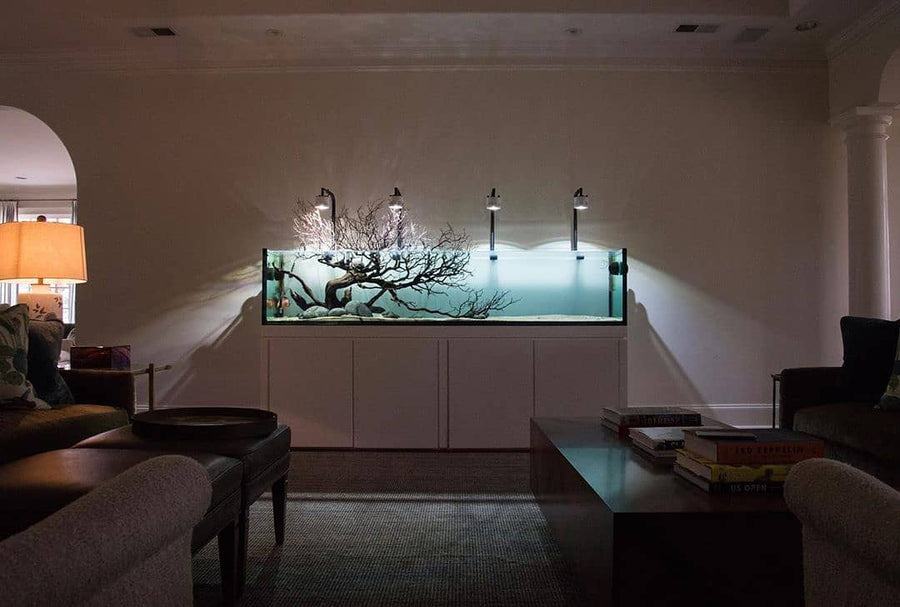
The tank isn't the big decision — the fish are. Adult size, temperament, water chemistry, and how they swim decide what aquarium you need. Pick the fish, then build the tank around them. If the tank they need doesn't fit your space or budget, change the fish, not the math.
Is a freshwater aquarium right for you?
Why people love it
- Huge variety — bettas, tetras, discus, African cichlids, goldfish, big show fish
- Any size, from a desktop nano to a wall-length display
- Simpler, cheaper equipment than a reef; no coral lighting or reef chemistry
- Decorate with rock, driftwood, sand, gravel, or artificial décor
- Great for first tanks, kids, offices — and still deep enough for lifelong hobbyists
What to know going in
- Fish are sold small. Plan for their adult size
- Not every fish gets along; temperament and territories matter
- Some species need specific pH, hardness, temperature, or flow
- Goldfish and other heavy-waste fish need serious filtration
- The tank must complete a fishless cycle before any fish go in
- Regular water changes and filter care never stop
Size the aquarium around the fish
Gallons are only part of it. Length, footprint, swimming style, group size, aggression, and waste all matter — two tanks with the same volume can give fish very different usable space. These tiers are a starting point.
Betta home
One betta in a heated, filtered, lidded tank.
Sponge or low-flow filter, heater, regular water changesSmall community
Small rasboras, tetras, danios, and similar schooling fish.
Respect school sizes and adult sizeCommunity
Tetras, rasboras, barbs, gouramis, corydoras — real flexibility.
Plan compatibility, territories, swimming zonesLarger & specialty
African cichlids, medium cichlids, larger community fish, goldfish setups.
Strong filtration, planned hardscapeShow & monster fish
Large cichlids, big catfish, predator displays, custom hardscape.
Floor loading, access, and filtration all need planningChoosing the right filter
A filter does more than catch debris — it houses the bacteria that turn fish waste into something harmless. Size it for the fish and the waste they'll make, not just the gallons.
Sponge
Simple & gentleBest for
Bettas, shrimp, fry, breeding, quarantine, and small tanks that need gentle flow.
Pros
Excellent bio-filtration · gentle · safe for fry · cheap · dependable
Cons
Needs an air pump · little mechanical filtration · visible in tank · not for high-waste fish
Hang-on-back
Easy all-rounderBest for
Small and medium community tanks, first setups, general freshwater displays.
Pros
Easy install · easy maintenance · good mechanical + bio · affordable · no plumbing
Cons
Sits behind the tank · less media than a canister · can get noisy if water drops · may need help at high stock
Canister
Powerful & hiddenBest for
Medium to large tanks, goldfish, cichlids, heavily stocked and display aquariums.
Pros
Big media capacity · excellent filtration · customizable · quiet · nearly invisible
Cons
Higher cost · must open to clean · hoses and seals need care · size it correctly
Sump / wet-dry
Maximum capacityBest for
Large tanks, custom installs, predators, big cichlid systems, anything that may grow.
Pros
Huge bio capacity · adds water volume · hides heaters and gear · expandable
Cons
Needs planning · usually a drilled tank or overflow · return pump and plumbing · must be power-outage safe
Sponge for a betta or shrimp tank. HOB for most community tanks under 40 gallons. Canister for bigger displays where looks and capacity matter. Sump for large or heavily stocked systems. Choose the fish, then size the filter to their waste. Shop freshwater filters →
Freshwater aquarium checklist
Once the fish and tank are decided, this is everything you need before the fishless cycle starts.
- Aquarium & standSized for the adult fish
- FilterSponge, HOB, canister, or sump
- Heater & thermometerVerify actual water temperature
- LightViewing light and day/night schedule; no plant lighting needed
- Lid or coverStops jumpers, slows evaporation
- Sand or gravelMatch to the fish — diggers and bottom-dwellers have needs
- Rock, driftwood, or décorTerritories and hiding spots, with open swimming room
- Water conditionerNeutralizes chlorine and chloramine
- Test kit: ammonia, nitrite, nitrate, pHNon-negotiable for cycling
- GH & KH test kitTells you which fish suit your water
- Ammonia source for cyclingFeeds the bacteria before fish arrive
- The right foodFlakes, pellets, wafers, or frozen — by species
- Gravel vacuum / siphonFor water changes
- Aquarium-only bucketNever one that held cleaners
- Algae & glass toolsAquarium-safe, no soap
How to set up a freshwater aquarium, in order
Choose your fish
Research adult size, temperament, temperature, pH and hardness, schooling needs, diet, and tank-mates. Design for what they'll become, not the juvenile in the store.Choose the aquarium
Big enough for their adult size, swimming needs, territories, group size, and waste. Too big for your space? Pick different fish.Choose filtration and equipment
Filter sized for the bioload, plus heater, thermometer, light, and lid. Heavy-waste or heavily stocked tanks need much more filtration than a light community.Plan the hardscape
Substrate, rock, wood, caves. Build territories and sight-line breaks for territorial fish; leave open water for swimmers.Set it up
Place tank and stand, add substrate and hardscape, fill with conditioned water, start filter and heater. Confirm temperature and that everything runs.Complete the fishless cycle
A new tank has no bacteria to handle waste. Feed an ammonia source until the filter converts ammonia → nitrite → nitrate with zero left over. Read the guide · Use the calculatorTest before adding fish
Ammonia and nitrite at zero after a challenge dose; temperature, pH, GH, KH, and nitrate in range for your chosen fish.Stock gradually, gentlest first
Least aggressive species first so they establish; schooling fish in proper groups. Add fish over several weeks while testing, so the filter keeps up.Maintain it
Routine water changes, vacuum waste, clean glass, test, service the filter — without wiping out the bacteria in the bio-media.Before the first fish goes in
The Fishless Cycle
How the nitrogen cycle works and how to know the tank is ready.
ToolCycle Calculator
Dose the right amount of ammonia for your tank volume.
Keep learningTank Talk
Guides, product demos, and tips from our team.
WatchYouTube Channel
Setup videos, equipment demos, and livestock walkthroughs.
Want the tank designed, delivered, and installed?
Visit the Lauderhill showroom and we'll plan the aquarium around your fish, your space, and your budget — then deliver it, set it up, and keep it healthy. Every service is à la carte: use us for the whole project or just the parts you need.
Freshwater aquarium FAQ
What size freshwater tank should a beginner start with?
Usually 20 to 40 gallons. Larger tanks are more stable and forgive mistakes; the smallest tanks are the hardest to keep steady. A single betta is the exception and does well in 5 gallons or more.
How long before I can add fish to a new aquarium?
Typically 3 to 6 weeks with a fishless cycle. Add fish only when the tank can clear an ammonia dose to zero ammonia and zero nitrite within 24 hours.
Do I need a heater for a freshwater aquarium in Florida?
Yes for tropical fish. Air conditioning drops indoor temperatures below what most tropical species need, and a heater keeps the temperature stable day and night.
Can I use tap water?
Yes, treated with a water conditioner to remove chlorine and chloramine. Test your GH and KH first and choose fish suited to your water, or we can help you adjust it.
Can you set up a freshwater aquarium for me?
Yes. We deliver and install throughout Broward, Palm Beach, and Miami-Dade, starting at $150 for a small aquarium with décor, and we offer ongoing maintenance.


